26 years flying, from Navy P-3 pilot to United 737 Captain. Now a Systems Integration Engineer at ASEC.
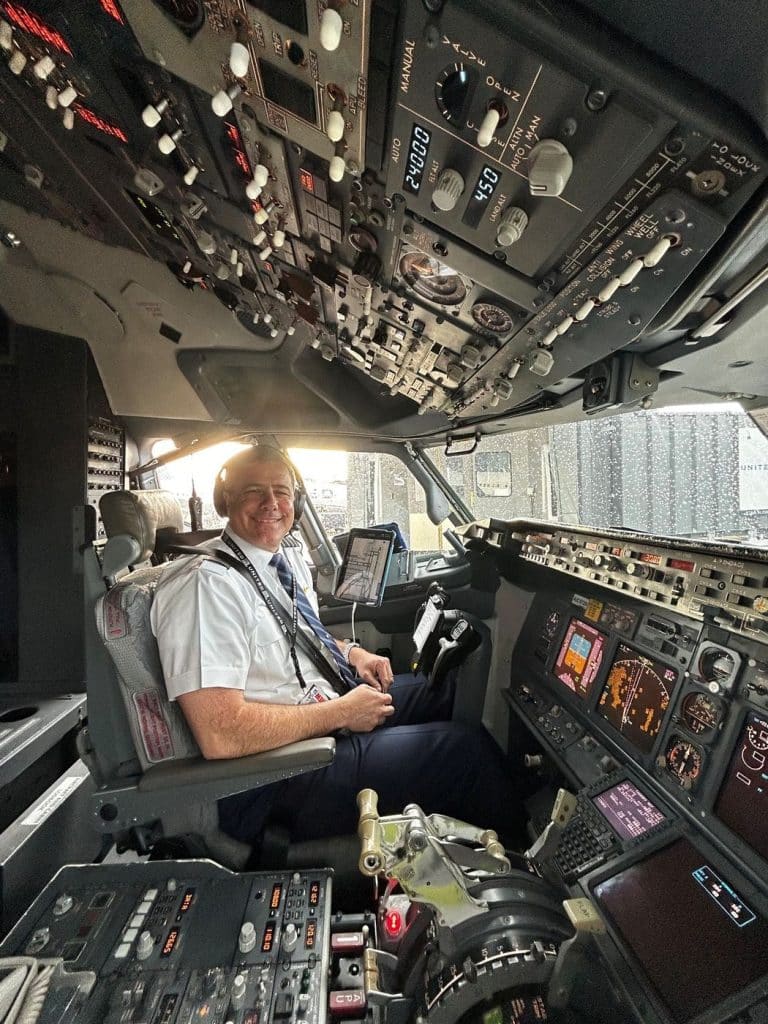
Colvin, in the left seat of a United 737
Systems Integration Engineer
ASEC since 2020
26 years flying
P-3 U.S. Navy, 20 Years
737 United Airlines, Captain
DC Washington Base
ORIGIN
A Legacy of Aviation at ASEC
Colvin spent two decades in the Navy flying the P‑3 Orion. He didn’t plan on a second flying career after the service, not seriously, until 2015, when a stretch in a non-flying billet left him missing the cockpit just as the airlines entered a hiring wave.
He spent his final three years in uniform back on flight status, instructing in the P‑3 as the community transitioned to the P‑8. From there, United hired him as a First Officer on the 737. In 2026, he upgraded to Captain, flying out of the Washington, DC base.
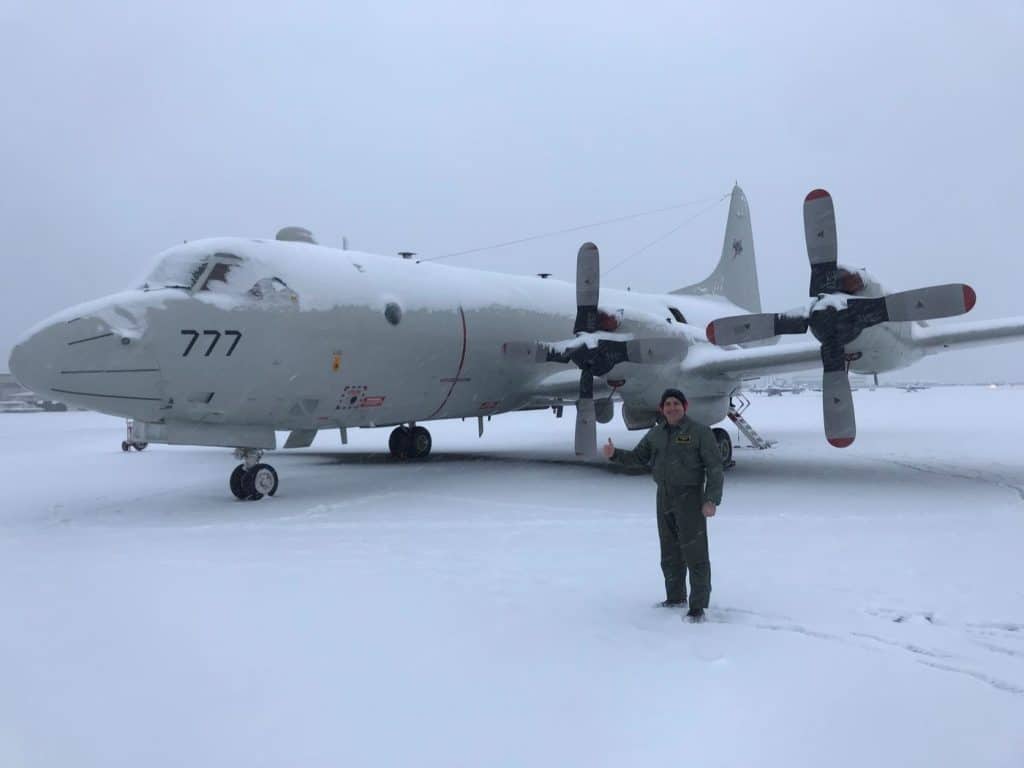
Colvin’s P‑3, on the ground in winter
THE DRAW
No Two Flights Are the Same
Ask Colvin what keeps him at it, and it isn’t any single flight. It’s the fact that every day brings a different problem to solve, whether that’s weather or people.
“The most frequent challenge is the weather, be it summer thunderstorms or winter snowstorms. Each flight also presents a new opportunity to lead people, from the ground crew to the flight attendants and the passengers.”
What stays with him is simpler than any single hard flight: landing knowing you got scores of passengers safely to wherever they were going, for whatever reason they were going there.
THE DRAW
No Two Flights Are the Same
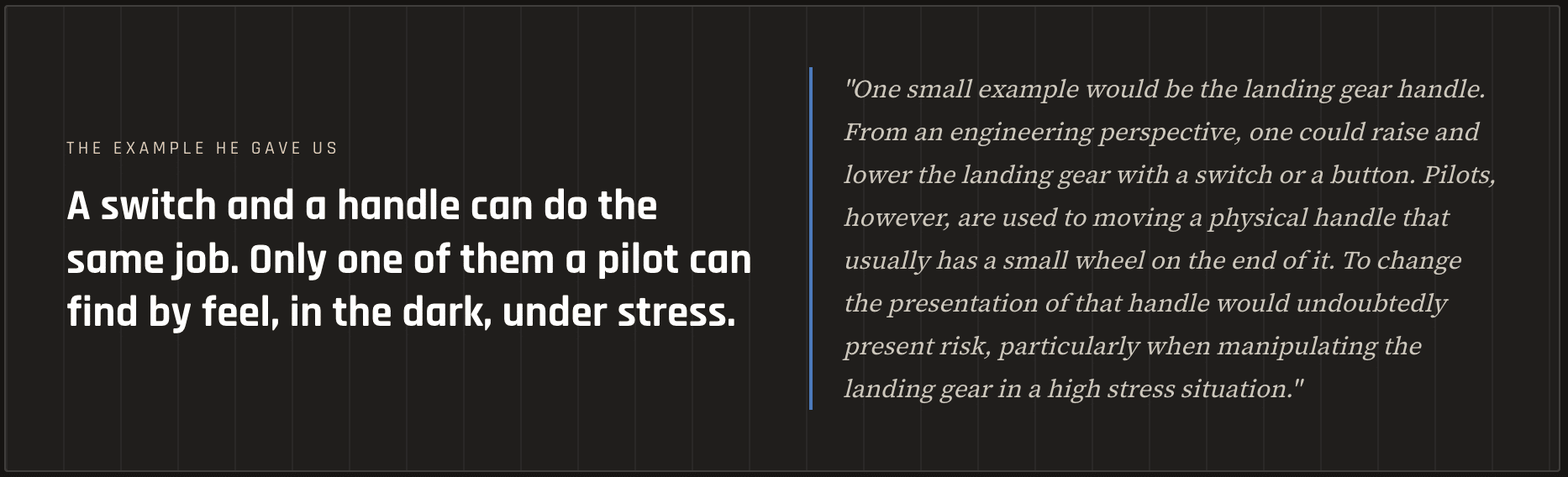
Colvin’s case for what he brings to ASEC is direct: a system can be technically correct and still be wrong for the person flying it. Pilots notice that gap before an engineer does, because they’re the ones who have to operate under pressure, not just spec the design.
CLOSING
Still Adding Value, In Both Seats
Colvin still calls it a pleasure to work at ASEC part time while pursuing his career as an airline pilot, and he hopes to keep contributing what the cockpit taught him. Small examples like the landing gear handle, he says, are only the beginning. There are others, and many are far more complex.